Electronics Industry
 Plumbing And Hvac/R
 Anti-Friction Industry
 Crafts/Goldsmiths


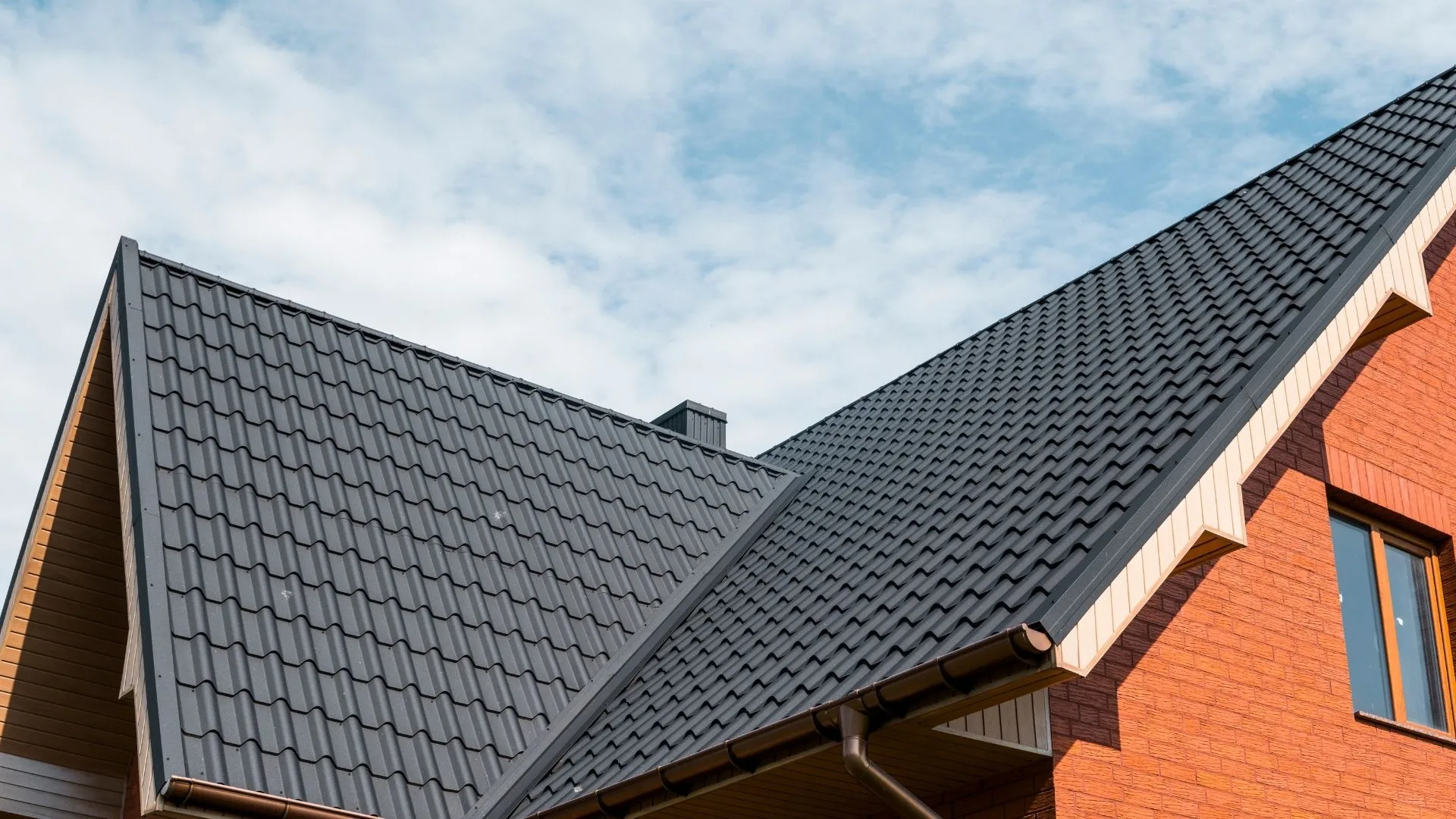
Lead-free soldering in roofing for professional installers
In roofing work, soldering is one of the factors that most affects the durability of an installation. Gutters, metal roofs, flashings, and water drainage systems are subjected to thermal changes, expansion, humidity, and, in many cases, very specific regulatory requirements.
For years, lead soldering has been a common solution due to its ease of application. However, the current context has changed. Today, in many projects, lead-free soldering is not just an alternative—it is the correct technical choice. Understanding when and why to use it is key to avoiding problems later on.
New technical requirements in roofing work
Modern roofing is more complex than it was a few years ago. On-site, it is common to work with:
-
Galvanized and pre-treated steel
-
Components that are lacquered or painted after soldering
-
Gutters connected to water collection systems
-
Projects with very detailed technical specifications
This requires soldering not only to “adhere properly” but also to maintain a stable joint over time, even when the piece undergoes subsequent processes or is exposed to demanding conditions.
The importance of temperature in post-soldering processes
One of the most frequent problems in roofing arises when the soldering cannot withstand subsequent processes.
In many installations:
-
Soldered components pass through powder-coating curing ovens
-
Temperatures in these processes can exceed the stability range of some traditional lead-based solders
Failure is not visible at the moment of soldering but appears later, when the joint softens or opens.
Lead-free solders, with greater thermal stability, are designed precisely to prevent these types of issues, which often involve costly rework or replacement of already installed components.
Regulatory requirements for public roofing and gutter projects
In public works projects, the use of lead-containing materials is increasingly restricted. Many technical specifications explicitly require lead-free materials.
For installers, this means:
-
Carefully reviewing project specifications
-
Using lead-free solder whenever indicated, regardless of habitual practice
-
Avoiding issues during inspection or final certification stages
In roofing, the most closely monitored points are usually gutters, downspouts, and visible flashings, as they are part of water drainage systems.
Why many private projects no longer accept lead soldering
Beyond regulations, more private projects are imposing their own technical criteria.
This is common in large corporations, logistics centers, environmentally certified buildings, and high-use facilities.
In these cases, the decision is based not only on legality but also on internal safety, sustainability, and corporate responsibility policies. Lead-free soldering is part of the project standard and is rarely negotiable.
Installer safety and health in roofing work
Working on roofs already involves demanding conditions: height, heat, and awkward postures. Continuous exposure to lead adds an additional risk that many installation companies prefer to avoid.
Lead-free soldering:
-
Reduces exposure to toxic substances
-
Facilitates compliance with safety measures
-
Improves working conditions without changing soldering technique
It is an increasingly valued factor by professional installers and project managers.
Use of lead-free solder in gutters and rainwater collection
On roofs where rainwater is collected, channeled, or reused, lead becomes a real problem.
Over time:
-
Lead migration may occur
-
Water contamination risks arise
-
The installation may fail to meet functional project requirements
For this reason, many engineers and specifiers now require lead-free solder in gutters and downspouts, regardless of building type.
Performance of lead-free solder on site
A common question among installers is whether lead-free solder complicates the work.
In practice:
-
Its behavior is slightly different but predictable
-
May require minor adjustments in temperature and pacing
-
Does not require changing the soldering technique
When an alloy suitable for roofing is used with a compatible flux, the result is stable, strong, and reliable. Problems usually arise when lead-free solder intended for other applications is used.
Key characteristics of lead-free solder for roofing
Before choosing a material, ensure the solder offers:
-
Sufficient thermal stability
-
Good wetting on zinc and steel
-
Controlled residues
-
Compatibility with the flux used
-
Compliance with RoHS and REACH regulations
These criteria are far more important than unit cost, especially for installations exposed to demanding conditions.
The value of manufacturing and specialized technical support
Each roofing project is different. Base materials, environment, and intended use directly affect soldering performance.
At Broquetas, manufacturers since 1930 in Sant Andreu de la Barca (Barcelona), we work with installers and installation companies to:
-
Define the most suitable alloy for each case
-
Adjust the type of flux according to the application
-
Avoid incompatibilities before going on site
-
Reduce rework and future claims
Having specialized technical support before soldering often makes the difference in the final outcome.
Technical conclusions for professional installers
Lead-free soldering in roofing is not a trend or a theoretical requirement. It is a proven technical solution designed to meet the current demands of the sector:
-
Higher thermal requirements
-
Stricter technical specifications
-
Improved safety conditions
-
More durable installations
Choosing the right solder is part of the professional installer’s work and directly impacts the quality of the final installation.
If you need to validate a specific roofing application before starting a project, the technical team at Broquetas can help you select the most suitable solution.